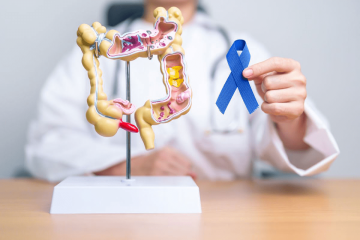
Colonoscopy Screening for Symptom-Free Individuals

Colorectal cancer is one of the most preventable cancers, yet it remains a leading cause of cancer-related deaths globally. Colonoscopy screening is a powerful tool that allows healthcare providers to detect precancerous polyps and early-stage cancers before symptoms appear. For symptom-free individuals, regular screening can make a significant difference in long-term health outcomes.
Why Screening Matters Even Without Symptoms
Many people assume that feeling healthy means there is no need for medical testing. However, colorectal abnormalities, including polyps and early-stage cancers, often develop silently. Symptom-free individuals may harbor precancerous growths for years without any noticeable signs.
Colon cancer screening enables early detection, which not only improves the chances of successful treatment but can also prevent cancer from developing by removing polyps before they become malignant.
Understanding Colonoscopy Screening
Colonoscopy screening procedure involves using a flexible tube equipped with a camera to examine the entire colon and rectum. The procedure allows doctors to identify abnormal growths, inflammation, or other conditions that could lead to serious disease.
Unlike diagnostic colonoscopies, which are performed when symptoms are present, screening is proactive. It targets individuals at average risk or those with specific risk factors, such as age, family history, or genetic predisposition.
Who Should Consider Screening
Guidelines generally recommend that adults start colonoscopy screening at age 45, or earlier if there is a family history of colorectal cancer. Individuals with certain conditions, such as inflammatory bowel disease, may need more frequent evaluation.
Even if you feel perfectly healthy, being in the recommended age group or having risk factors is reason enough to discuss screening with your healthcare provider.
Benefits of Colonoscopy Screening
The most significant benefit of colonoscopy screening is early detection. Identifying polyps or abnormal tissue before symptoms arise allows for removal and reduces cancer risk. Early-stage cancers discovered during screening are also more treatable, often requiring less aggressive therapy and improving survival rates.
Screening also provides peace of mind. For many symptom-free individuals, a clear colonoscopy can reassure them about their digestive health and motivate healthy lifestyle choices.
The Screening Procedure and Preparation
Preparation is a key part of colonoscopy screening. Patients are usually required to follow a clear-liquid diet and take bowel-cleansing solutions to ensure the colon is thoroughly cleaned. Proper preparation enhances visibility and ensures accurate results.
The procedure is typically performed under sedation, allowing patients to remain comfortable. Colonoscopy usually takes about 30-60 minutes, and most individuals can return home the same day.
Risks and Considerations
While colonoscopy screening is generally safe, it carries small risks, such as bleeding, perforation, or adverse reactions to sedation. Discussing your medical history and any medications with your doctor helps minimize these risks.
Patients should also be aware that, on rare occasions, polyps may be missed, or additional tests may be recommended if unusual findings are detected.
Frequency of Screening
For average-risk, symptom-free adults, colonoscopy screening is often recommended every 10 years. If polyps are found, the interval between screenings may be shortened, depending on the number, size, and type of polyps removed.
Following the recommended schedule ensures that any new polyps or abnormalities are detected early, maintaining the protective benefits of regular screening.
Lifestyle and Preventive Measures
Colonoscopy screening is just one part of maintaining colon health. A diet rich in fiber, regular exercise, limiting alcohol, and avoiding smoking can reduce the risk of colorectal cancer.
Combining healthy lifestyle choices with routine screening offers the most effective strategy for long-term digestive health.
Conclusion
Colonoscopy screening is an essential preventive tool, even for individuals without symptoms. By detecting polyps and early-stage cancers, it allows for timely intervention and significantly reduces the risk of serious disease.
Discussing screening with your healthcare provider, adhering to preparation guidelines, and maintaining a healthy lifestyle together create a proactive approach to colon health. Regular colonoscopy screening empowers symptom-free individuals to protect their long-term wellbeing and enjoy peace of mind.





-
Colonoscopy Screening for Symptom-Free Individuals
Colorectal cancer is one of the most preventable cancers, yet it remains ... -
-
-
-